
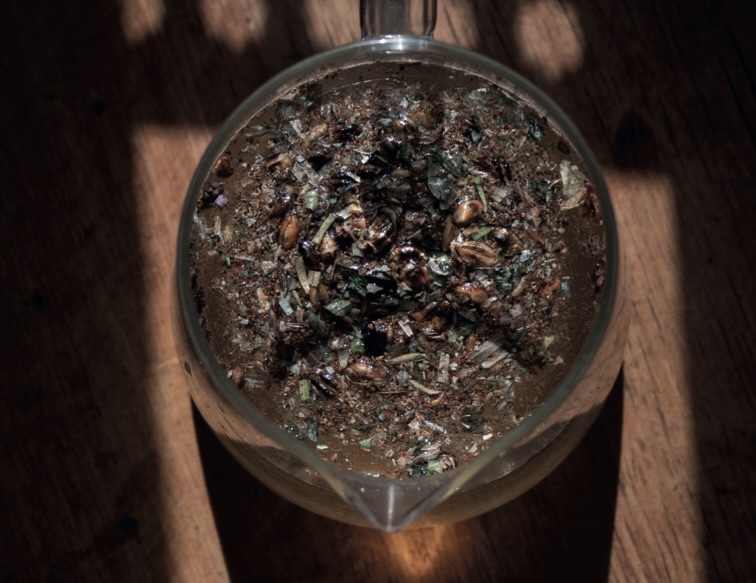
This recipe has been excerpted from ‘Stories from a Kargili Kitchen’ (2026) written by Yash Saxena, in collaboration with Sneha Nair and Muzammil Hussain. Blending memoir, travelogue, and cultural history, the book is part love letter and part act of remembrance—a tender, sensory journey through Kargili kitchens, whose flames fight to keep centuries of wisdom alive against the winds of change.
Tucked between some of the most forbidding folds of the Himalayas, Kargil is a land too often seen only through the lens of war—yet its valleys hold a tenderness, resilience, and faith that endure through food.
Born from years of travel, cooking and friendships, foodways researcher Yash Saxena gathers voices from mountain kitchens and firesides—of shepherds, monks, farmers, and mothers who feed a world shaped by both faith and frost. From slow-simmering broths to shifting borderlines, from ancient Bon rituals to the echoes of Bofor gunfire, each story reveals how a community sustains itself through ritual, memory, and the quiet grace of everyday cooking.
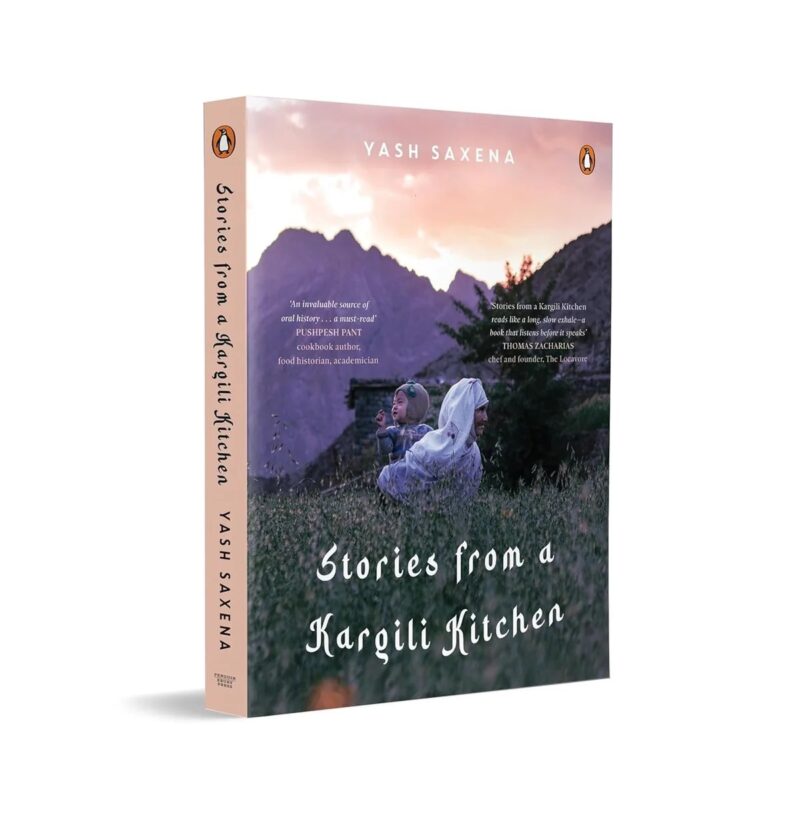
Agriculture and cultivation of crops is limited in this cold desert. The people of Kargil have had a long tradition of going up the high mountains to forage for herbs and of using them as medicines and flavouring agents. More often than not, nature’s bounty at high altitudes provides the people with plants that fulfil more than a singular purpose.
Thang is a great example of the local population’s natural wisdom and resourcefulness. The ingredients that go into it are seldom available in the markets, and rather have to be hand-plucked at altitudes of 10,000–15,000 feet. It is also common for people to bring whatever they find high up on the mountains for their friends and family.
Thang is more than just tea. It is a reflection of ecological intimacy, traditional knowledge, and the deep-rooted sustainability embedded in Kargil’s mountain cultures.
Here are some common plants used in making thang, along with their benefits:
Note: The uses described here reflect traditional knowledge and practices documented in Kargil. They should not be read as medical advice or as claims of clinically proven efficacy.
| Juniper berries and/or branch and root [Juniperus semiglobosa] | |
|---|---|
| tSartsing (Russian olive) [Oleaster] | |
| Karpo Usay (wild white mulberry leaves) [Morus serrata] | |
| Local tarragon [Artemisia kargilensis] | |
| Dried seabuckthorn leaves | |
| Dried seabuckthorn or sea berry [Hippophae rhamnoides] | |
| Filil (wild Himalayan mint) [Mentha longifolia] | |
| Chamomile [Matricaria chamomilla] | |
| Rose hip [Rosa canina L.] | |
| White Sia (white dog rose) [Rosa canina] | |
| Red Sia (red dog rose) [Rosa canina] | |
| Tumburuk (Himalayan thyme) [Thymus linearis] | |
| Makshang (Corydalis) | |
| Any one or more, depending upon the desired benefit and quantity: |
| Honey | to taste |
|---|
Heavy-bottomed pot
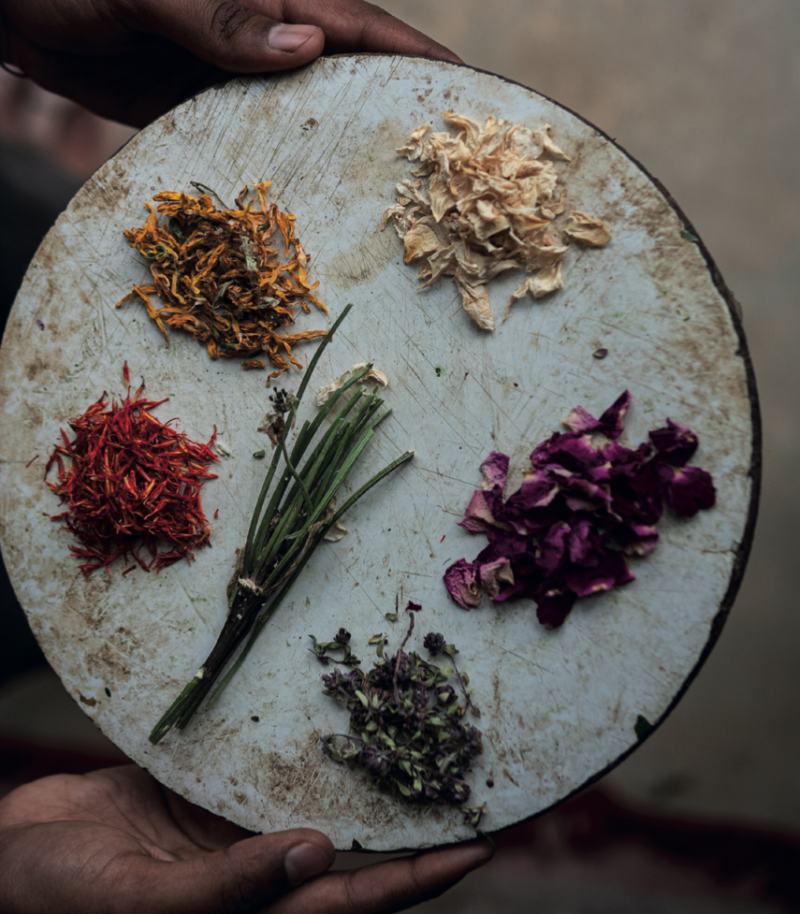
Pluck the leaves and flowers from the stems of as many herbs as you are using for the thang. Clean the leaves and flowers thoroughly, keeping in mind to not damage them through pressure or heat.
In a heavy-bottomed pot, boil water till just before it starts roaring. Reduce the heat completely.
For rose hip, seabuckthorn berry, karpo usay,tSartsing, juniper berries, and tumburuk—add the ingredients to the pot and let it simmer for 4–6 minutes before straining the concoction
For makshang, red sia, white sia, chamomile, filil, local tarragon, and dried seabuckthorn leaves—turn off the heat and steep the ingredients in the hot water for 5 minutes before straining the concoction.
Add honey once the brew is ready. The thang is ready to serve.
Depending upon your choice of thang, you can have it at any time of the day, and multiple cups throughout the day. It is a great alternative to tea- and coffee-based beverages.
Yash Saxena is a storyteller and mountaineer whose work blends storytelling, art, and philosophy to understand how people find meaning in what they eat and create. ‘Stories from a Kargili Kitchen’ is the result of three years in Kargil, where they lived, listened, and cooked alongside its people, tracing the region’s foodways and the quiet beauty of its people.
This is an excerpt from ‘Stories from a Kargili Kitchen’ (2026) by Yash Saxena, published by Penguin Random House India. Excerpted with permission from the author and publisher.
You must be logged in to rate this recipe.

 Login with Google