
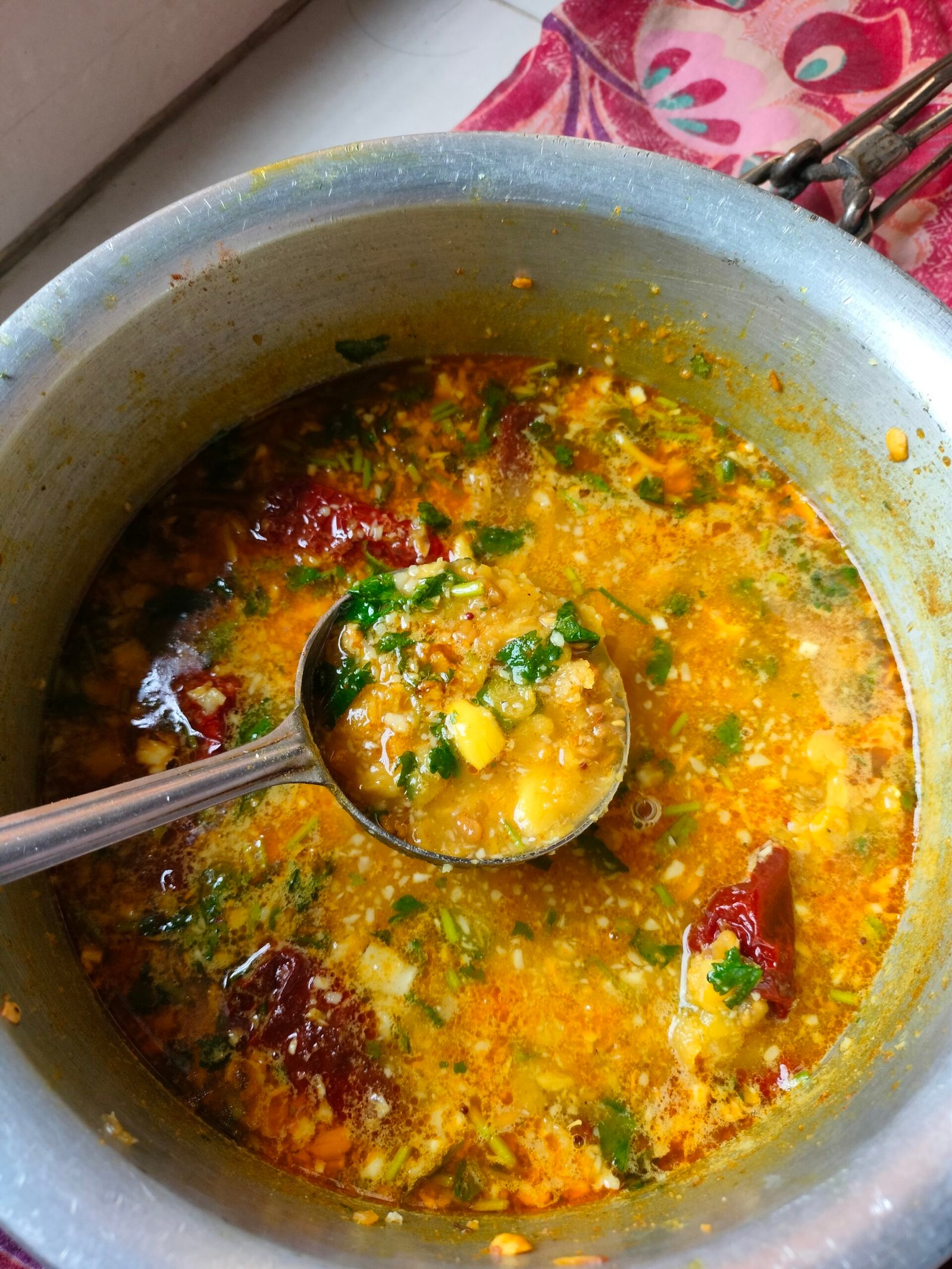
For Rutuja Nighot, methi seeds always played a supporting role in the kitchen—showing up in dosa batters, tadkas, chutneys, or masala pudis. So when she stumbled upon a recipe for usal where methi took cetre stage, she was intrigued. A Maharashtrian preparation made by sprouting and simmering legumes or pulses with spices, usal is a comforting everyday dish common to several households in the state. Though traditionally made with ingredients like matki (moth beans), moong, or black-eyed peas, this version featuring methi seeds was new to her.
Initially unsure of how the bitterness would unfold, Rutuja gave it a try anyway. To her surprise, she enjoyed both the texture and the gentle bitterness of the seeds. She began experimenting by tweaking the dal, adjusting the consistency, and layering the spices, until this version came to life. While the recipe isn’t rooted in family tradition, it won her mother Vaishali’s approval, who now sees it as a tasty way to repurpose the methi seeds she usually soaks for health benefits.
| Methi seeds (fenugreek seeds) | 200 grams | 1 cup |
|---|---|
| Toor dal (pigeon peas) | 200 grams | 1 cup |
| Oil | 2 tablespoons approx. |
| Mustard seeds | 1 teaspoon |
| Cumin seeds | 1 teaspoon |
| Garlic cloves, peeled and crushed | 4–5 pieces |
| Dried red chillies | 4–5 pieces |
| Hing (asafoetida) | a pinch |
| Turmeric powder | ½ teaspoon |
| Red chilli powder | 1 teaspoon (or to taste) |
| Salt | to taste |
| Water | 2-3 cups |
| Coconut paste (fresh or dried) | 1 cup |
| Jaggery powder or sugar | 1 teaspoon |
| Coriander leaves, chopped | 5 grams |
Muslin cloth; heavy-bottomed pan with lid
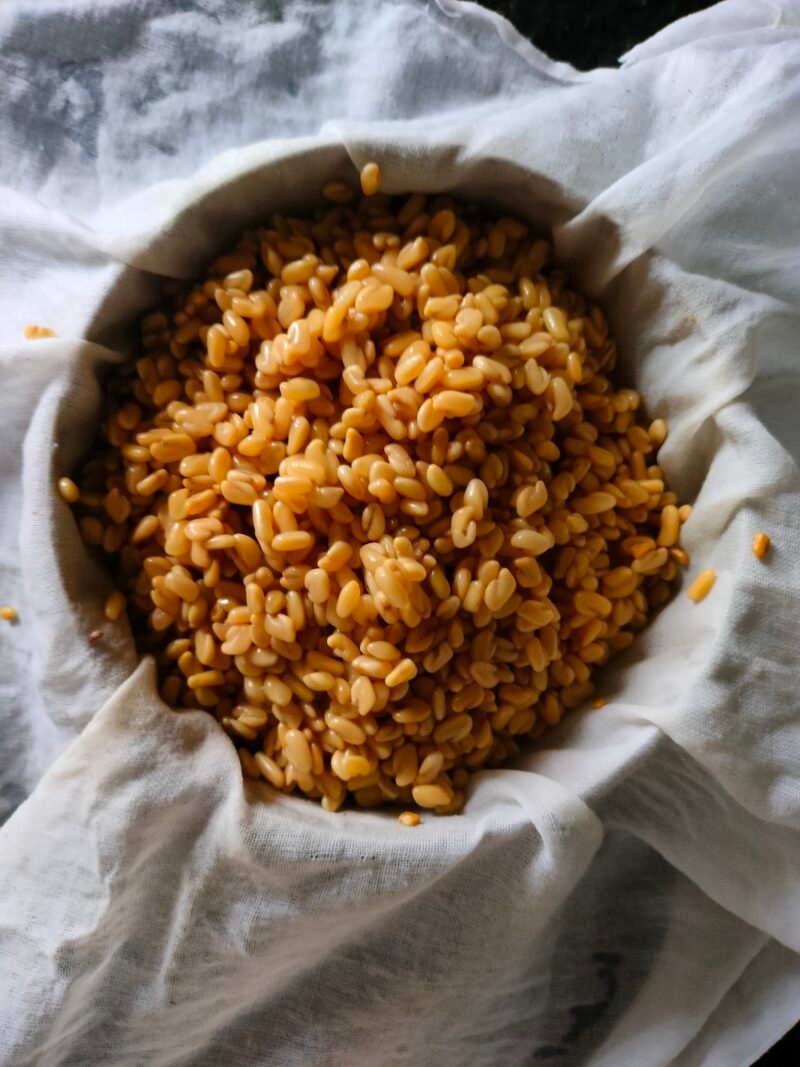
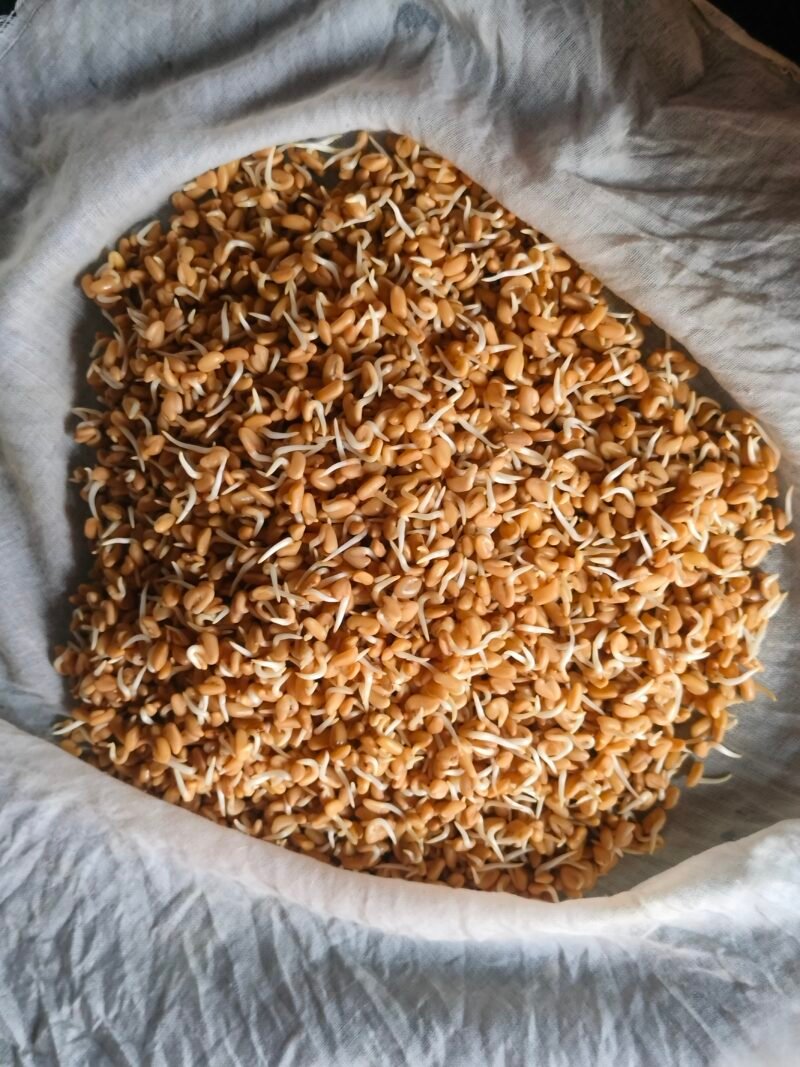
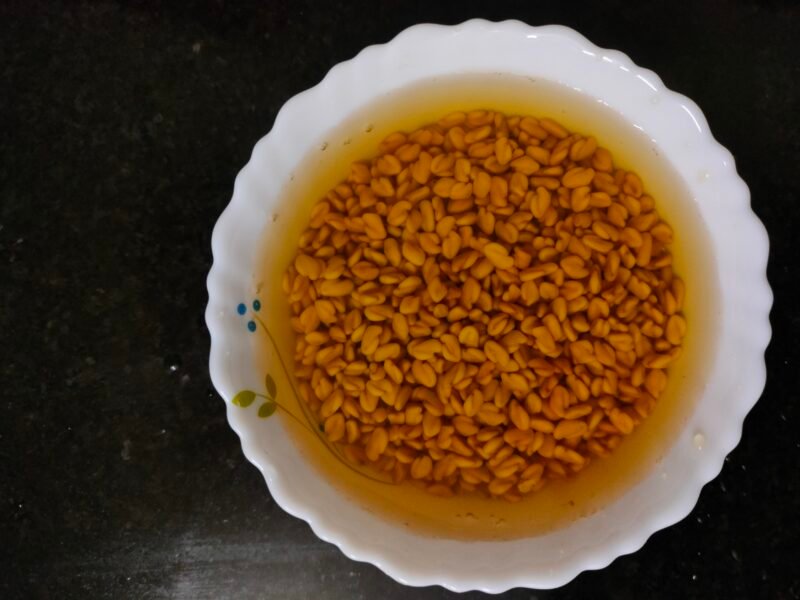
To make this usal, begin preparing the methi seeds three days in advance. Soak one cup of methi seeds in water for about 24 hours. Once the seeds have absorbed water and turned plump, drain them, rinse once, and transfer them into a clean muslin cloth or sprouting container. Leave them in a warm, dry place to sprout. This may take another 1–2 days, depending on the weather.
About 30 minutes before you start cooking, soak one cup of toor dal in water. This helps it cook faster and more evenly in the usal.
When you’re ready to cook, place a heavy-bottomed kadhai on the stove and heat about two tablespoons of oil. Once the oil is hot, add mustard seeds and let them splutter, followed by cumin seeds, crushed garlic cloves, and whole red chillies. Sauté everything together for about a minute, until the garlic starts to turn golden and the spices release their aroma.
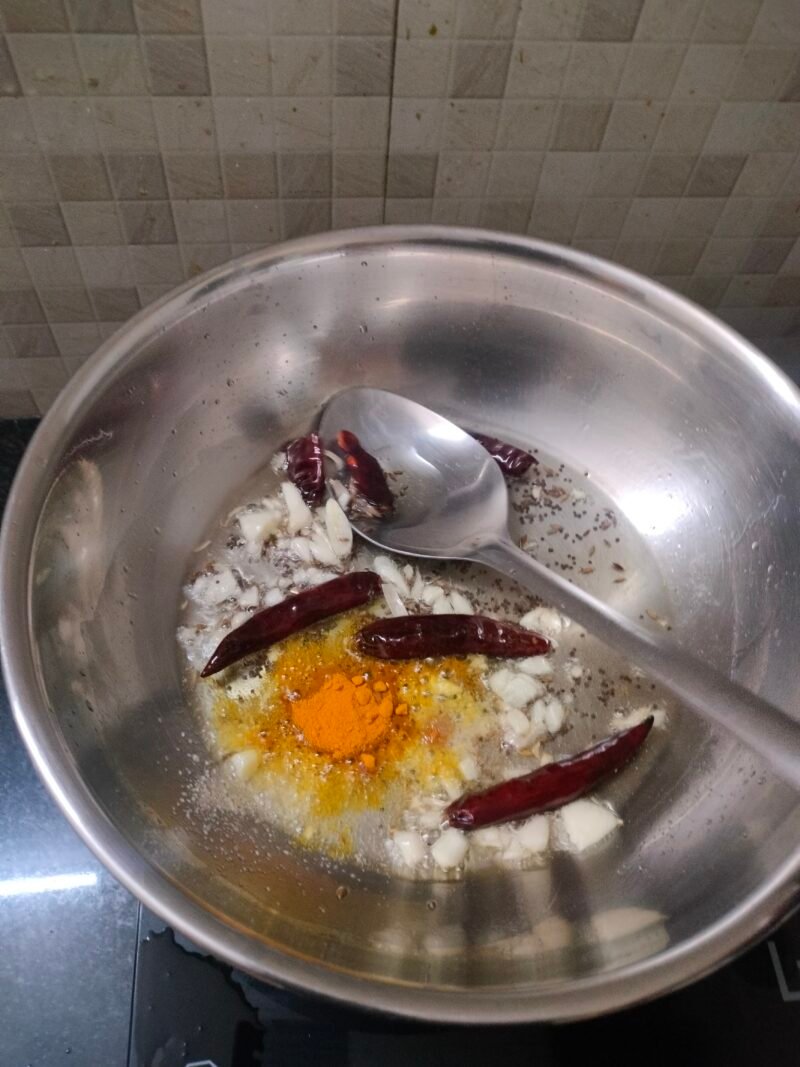
Next, add a pinch of hing and turmeric powder. Sauté briefly, then add the sprouted methi seeds. Stir well to coat the sprouts in the spices, and then add chilli powder according to taste. Stir again to combine everything evenly.
Drain the soaked toor dal and add it to the kadhai along with salt and about 5 to 6 cups of water. Mix everything together, cover the pan with a lid, and let it cook on a low flame for about 10 minutes. The dal should begin to soften, and the methi should become tender.
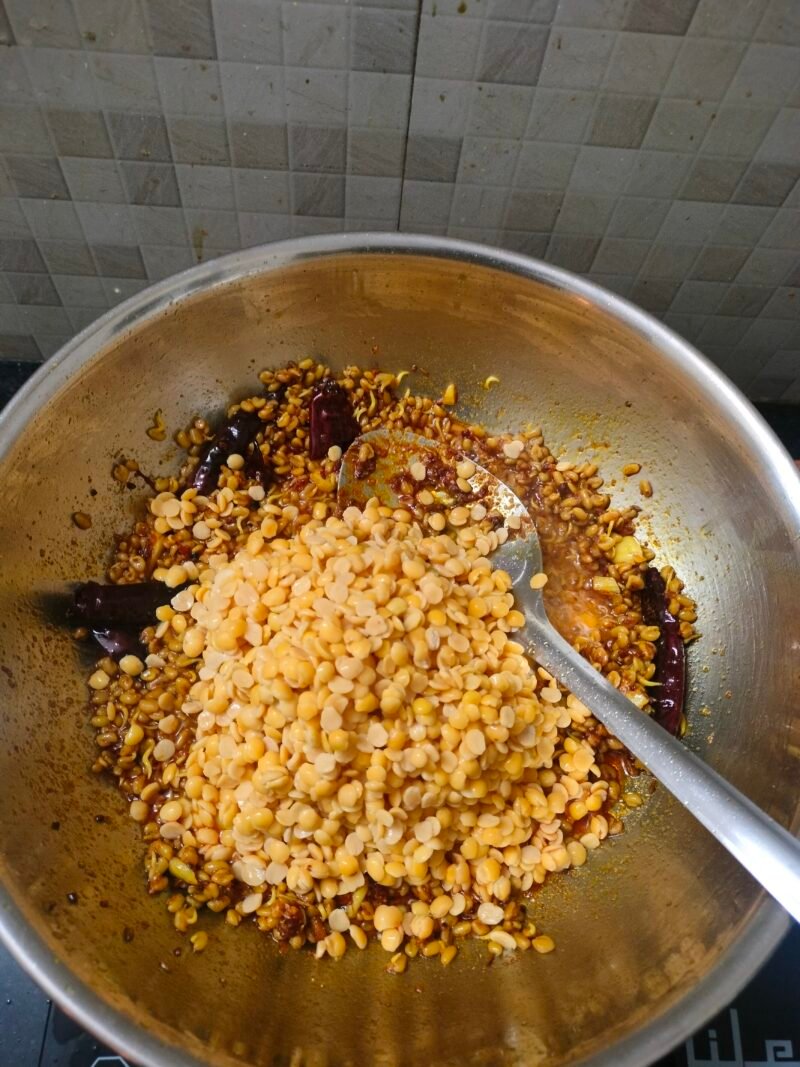
Once the dal is nearly cooked, add 1 cup of coconut paste, 1 teaspoon of jaggery powder or sugar, and a handful of chopped coriander. Stir everything in and continue to cook uncovered for another 5–6 minutes. At this stage, you can adjust the salt and the consistency of the usal—add a little more water if it looks too thick, or let it cook down further if you’d prefer it thicker.
The usal is now ready to be served. Serve it with hot rice or rotis.
Methi seeds have a strong, bitter flavour. Adjust jaggery and coconut based on how intense the bitterness feels to you.
Rutuja Nighot is an engineer by training and a marketeer by profession. She finds joy in cooking, eating, reading, and discovering new things—usually in that order. She is also a member of The Locavore’s Local Food Club in Mumbai. To become a member, sign up here.
You must be logged in to rate this recipe.

 Login with Google