
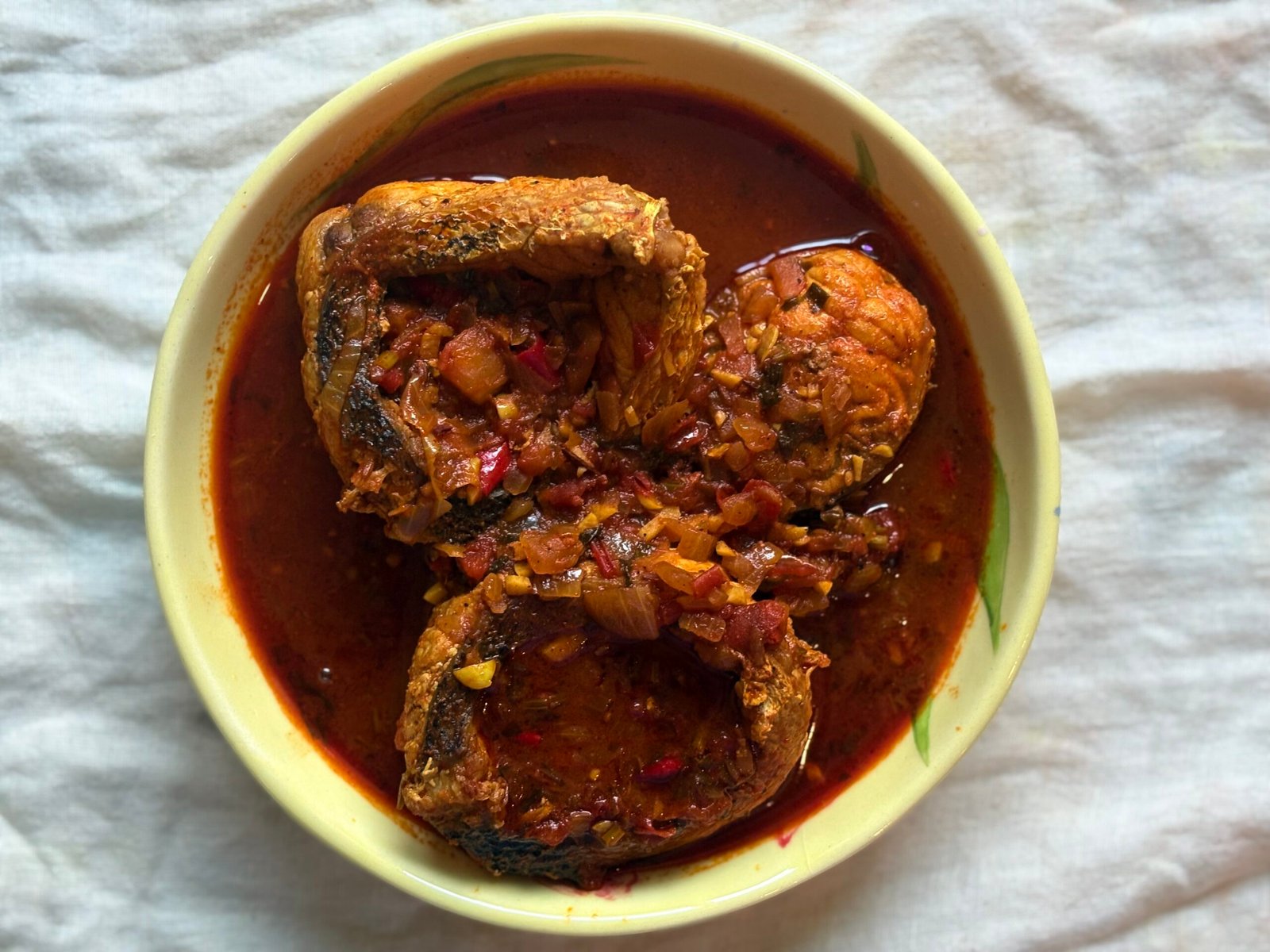
The barracuda (Sphyraena spp.), a sleek, fast-moving predatory fish, is widely found in tropical and sub-tropical oceans, including the warm coastal waters of India. Belonging to the Sphyraenidae family, several species of barracuda are fished along India’s eastern and western coasts. Sawtooth Barracuda (Sphyraena putnamae) is among the more commonly consumed fish in India along with Obtuse Barracuda. Known for their long, torpedo-shaped bodies, razor-sharp teeth, and silvery-grey skin, these fish are locally called ‘Sheela’ in Malayalam, ‘Tonki’ in Konkani, ‘Jellow’ in Telugu, ‘Suruli kandai’ in Kannada, and ‘Seela/Ooli’ in Tamil.
Sawtooth Barracudas are generally nocturnal hunters, remaining active at night and schooling during the day to rest. During spawning, they form fast-moving schools that are highly vulnerable to fishing nets, making it crucial to fish them responsibly. These fish inhabit reefs, lagoons, and nearshore waters, preying on smaller fish and crustaceans. As top predators, they accumulate toxins, and therefore should be consumed in moderation. Their peak availability in Indian waters occurs from December to March and again from May to August (based on the coast), making these the most sustainable times to consume them. The safest months to eat Sawtooth Barracuda spans January to August.
To Marinate and Fry the Fish
| Barracuda fish, cleaned and cut into steaks | 300-350 grams |
|---|---|
| Kashmiri red chilli powder | 1 tablespoon |
| Turmeric powder | ¼ teaspoon |
| Salt | to taste |
| Black pepper, freshly ground | to taste |
| Vinegar | 1 teaspoon approx. |
| Oil, for shallow-frying | 2 tablespoons approx. |
For the Vindaloo Sauce
| Kashmiri red chilli powder | 1 tablespoon |
|---|---|
| Turmeric powder | ¼ teaspoon |
| Cloves | 3 pieces |
| Cinnamon stick | 1 inch |
| Cumin seeds (jeera) | ½ teaspoon |
| Tamarind paste | 1 teaspoon |
| Sugar | ½ teaspoon |
| Salt | to taste |
| Black pepper, freshly ground | to taste |
| Vinegar | 1 teaspoons approx |
For the Masala Base
| Oil | 2 tablespoons |
|---|---|
| Onion, finely chopped | 1 medium |
| Tomato, finely chopped | 1 medium |
| Ginger, finely chopped | 1-inch piece |
| Garlic, finely chopped | 4–5 cloves |
| Kashmiri red chilli powder | ½ tablespoon |
| Vinegar | 2 teaspoons |
| Cumin powder | ½ teaspoon |
| Coriander leaves, chopped | 5 grams |
| Lemon juice | juice of ½ lemon |
| Tamarind paste | 1 teaspoon |
| Water | as needed |
| Sugar | ½ teaspoon |
What You Will Need
Mixing bowls; skillet or frying pan; kadhai for deep-frying; small blender or a mortar and pestle (for the vindaloo paste); kitchen paper towels
Instructions
Begin by placing the cleaned and cut barracuda fish steaks in a large mixing bowl. Ensure there are no scales or bones left and the steaks are uniformly cut to ensure even cooking.
Sprinkle the Kashmiri red chilli powder, turmeric powder, salt, and freshly ground black pepper over the fish.
Drizzle the vinegar over the spices and use your hands to gently massage the marinade into the fish. Coat each piece thoroughly, making sure the spices cover all sides. The fish should take on a reddish hue from the chilli powder.
Cover the bowl and let the marinated fish rest for 10 to 15 minutes at room temperature.
Heat 2 tablespoons of oil in a flat skillet or a frying pan over medium heat. To test if the oil is ready, drop a tiny drop of the marinade into the pan—it should sizzle immediately.
Once the oil is hot, carefully place the fish steaks into the pan without overcrowding. You may need to do this in batches.
Let the fish cook undisturbed for 2 to 3 minutes on the first side until a light golden crust is formed.
Flip each fish steak gently using a spatula or tongs and cook for another 2 to 3 minutes on the other side. If the pieces are thick, turn them once more to ensure the sides are evenly browned.
Once the fish is cooked through and lightly crisped on the outside, transfer it to a plate lined with kitchen paper to absorb any excess oil. Set aside.
To Prepare the Vindaloo Sauce:
In a small blender jar, or using a mortar and pestle, combine the Kashmiri red chilli powder, turmeric powder, cloves, cinnamon stick, cumin seeds, tamarind paste, sugar, salt, pepper, and vinegar.
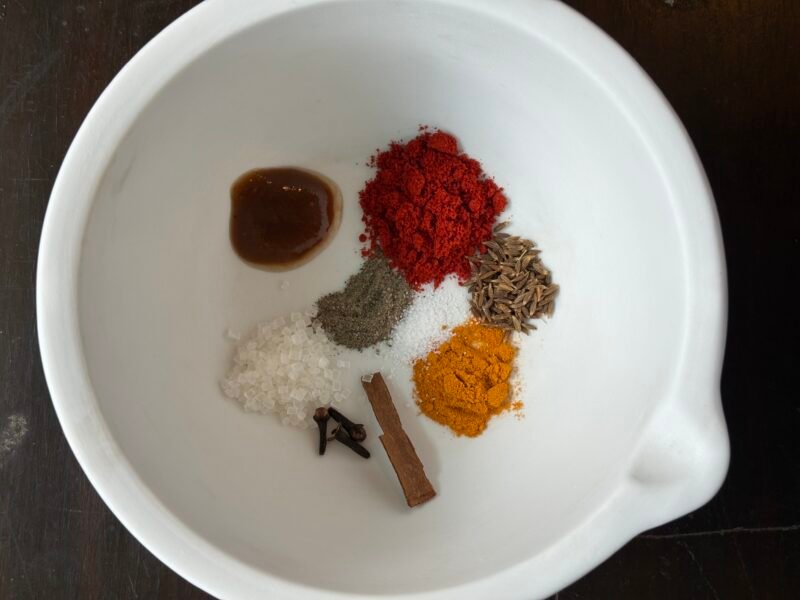
Blend the ingredients into a smooth, thick paste. If needed, add a teaspoon of water to help the mixture come together.
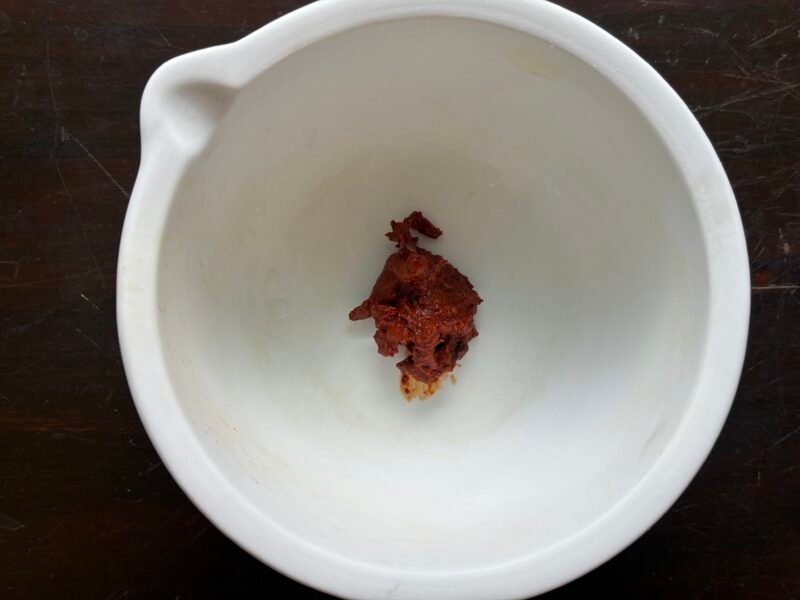
The final paste should be deep red and slightly glossy.
To Prepare the Masala Base and Finish the Dish:
In the same pan used to fry the fish, heat 2 tablespoons of oil over medium heat, add more if needed.
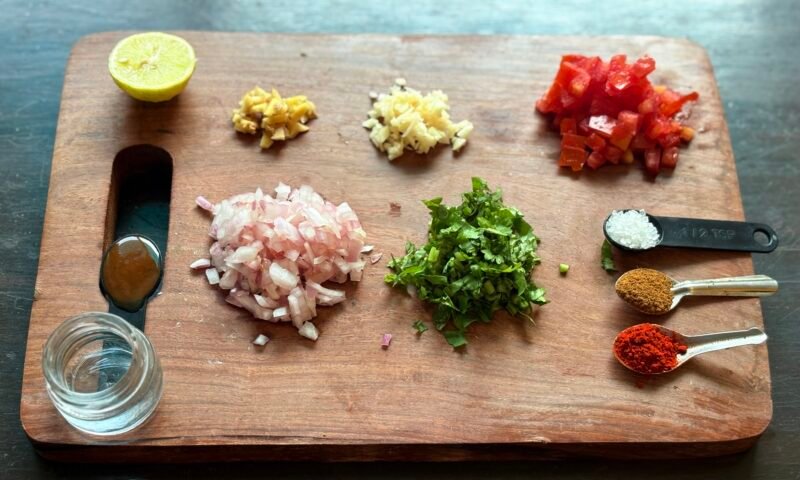
Add the finely chopped onions and sauté them for 3 to 5 minutes, stirring occasionally, until they turn soft and translucent. You’re looking for a light golden colour but not fully brown.
Add the chopped tomatoes, ginger, and garlic to the pan. Stir well and cook this mixture for another 3 to 5 minutes. The tomatoes should begin to break down and blend with the onions.
Add the Kashmiri red chilli powder and continue sautéing for 1 to 2 minutes until the oil begins to separate from the masala. This is a sign that the spices are cooked.
Deglaze the pan by adding the vinegar. Stir to lift any bits stuck to the bottom of the pan.
Add the cumin powder, freshly chopped coriander leaves, and lemon juice. Mix everything thoroughly to combine well.
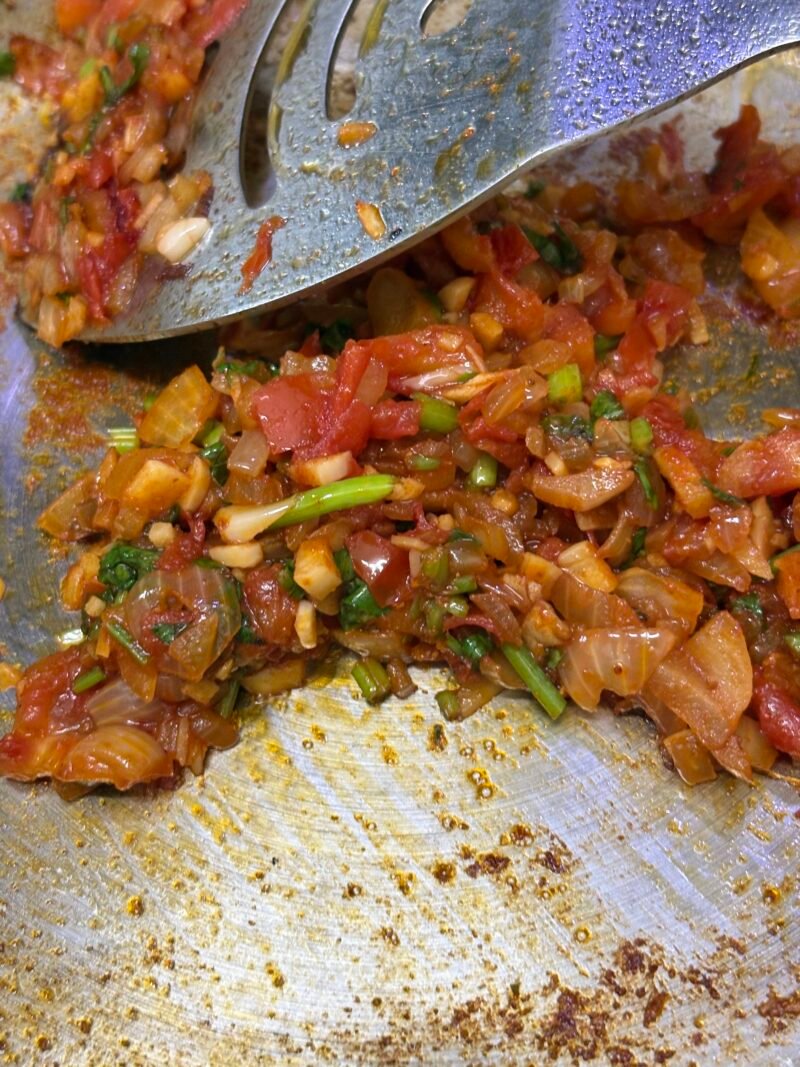
Stir in the tamarind paste and add 1 to 2 tablespoons of water to adjust the consistency. You want a thick but spoonable sauce at this stage.
Sprinkle in the sugar and allow the masala to simmer gently for another 2 to 3 minutes.
Now add the prepared vindaloo paste to the pan. Stir continuously and cook for 3 to 4 minutes until the paste is fully incorporated and the masala deepens in colour.
Add some water and let the gravy simmer gently; it should not be too runny, but enough to allow the fish to be submerged halfway.
Carefully place the fried fish steaks into the gravy, arranging them so they’re mostly covered by the sauce. Use a spoon to gently ladle the sauce over each piece of fish.
Lower the heat and let the fish simmer in the sauce for 5 to 10 minutes. This will allow the fish to absorb the flavours of the gravy. Avoid stirring too much at this stage to prevent the fish from breaking.
Once the sauce thickens slightly and clings to the fish, turn off the heat.
Let the dish rest for a few minutes before serving to allow the flavours to settle.
Serve hot with plain steamed rice, pav, or crusty bread.
This recipe is contributed by the research team at InSeason Fish, an initiative aimed to diversify our consumption of seafood by promoting lesser-known, underappreciated fish that are seasonally abundant and easily accessible.
Find out more about InSeason Fish and their seafood calendar on their website.
You must be logged in to rate this recipe.
 Login with Google
Sign in with email